Atmospheric Observation
Time-based observation of atmospheric change, light and weather. Cloud formation, mist, transitions between day and night and astronomical events are documented as evolving visual phenomena. Acquiring timelapse sequences is extremely demanding due to the need for extensive planning, location scouting, precise logistics, and agility. Critical is also the knowledge of the terrain and deep understanding of the weather, as filming these sequences requires dealing with elements far beyond our control that often don’t follow available forecasts. Most of the sequences are available in 8K.
Atmospheric Transitions
A time-based observation of changing atmospheric conditions, light and weather.
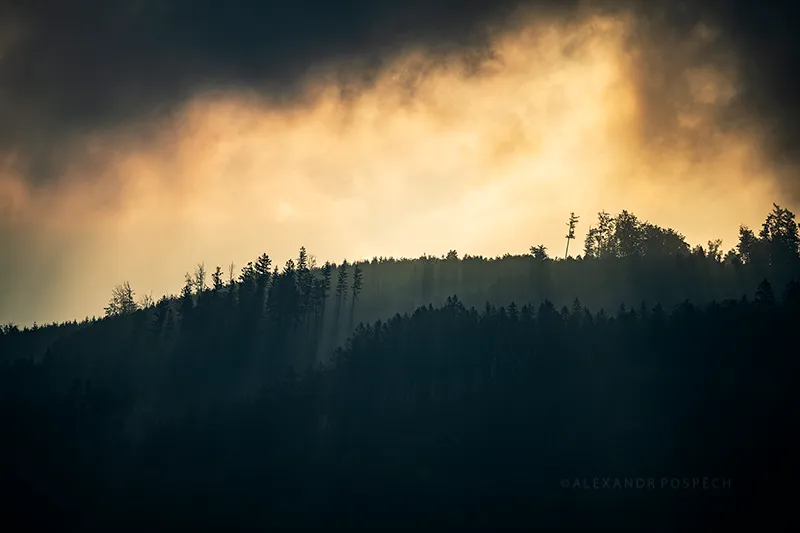
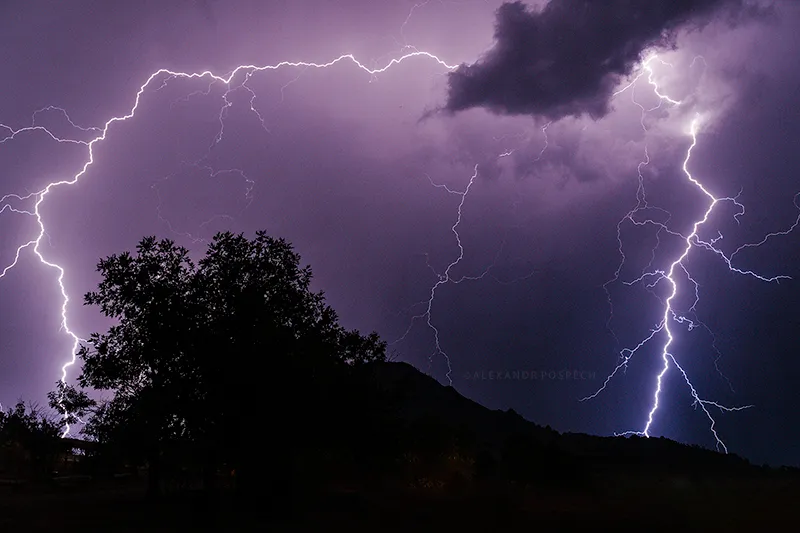
Cloud Formation & Weather Documentation
Observation of changing cloud structures and the gradual transformation of the sky over time.
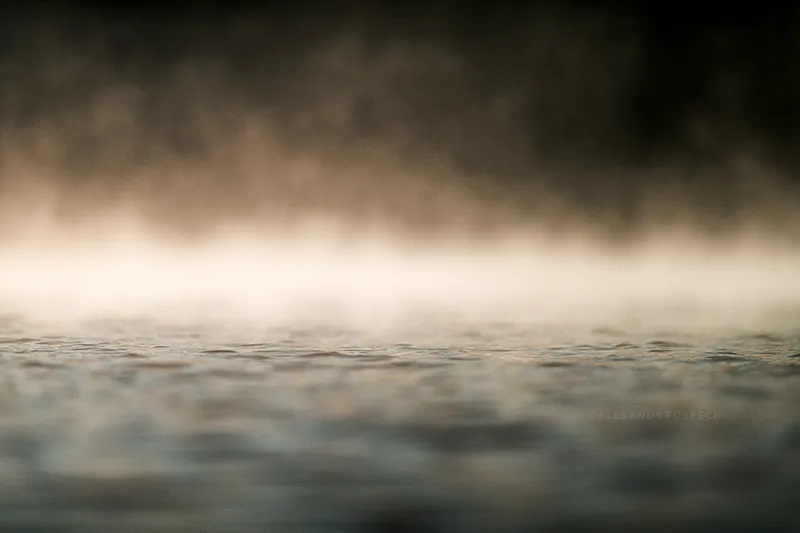
Mist and Visibility
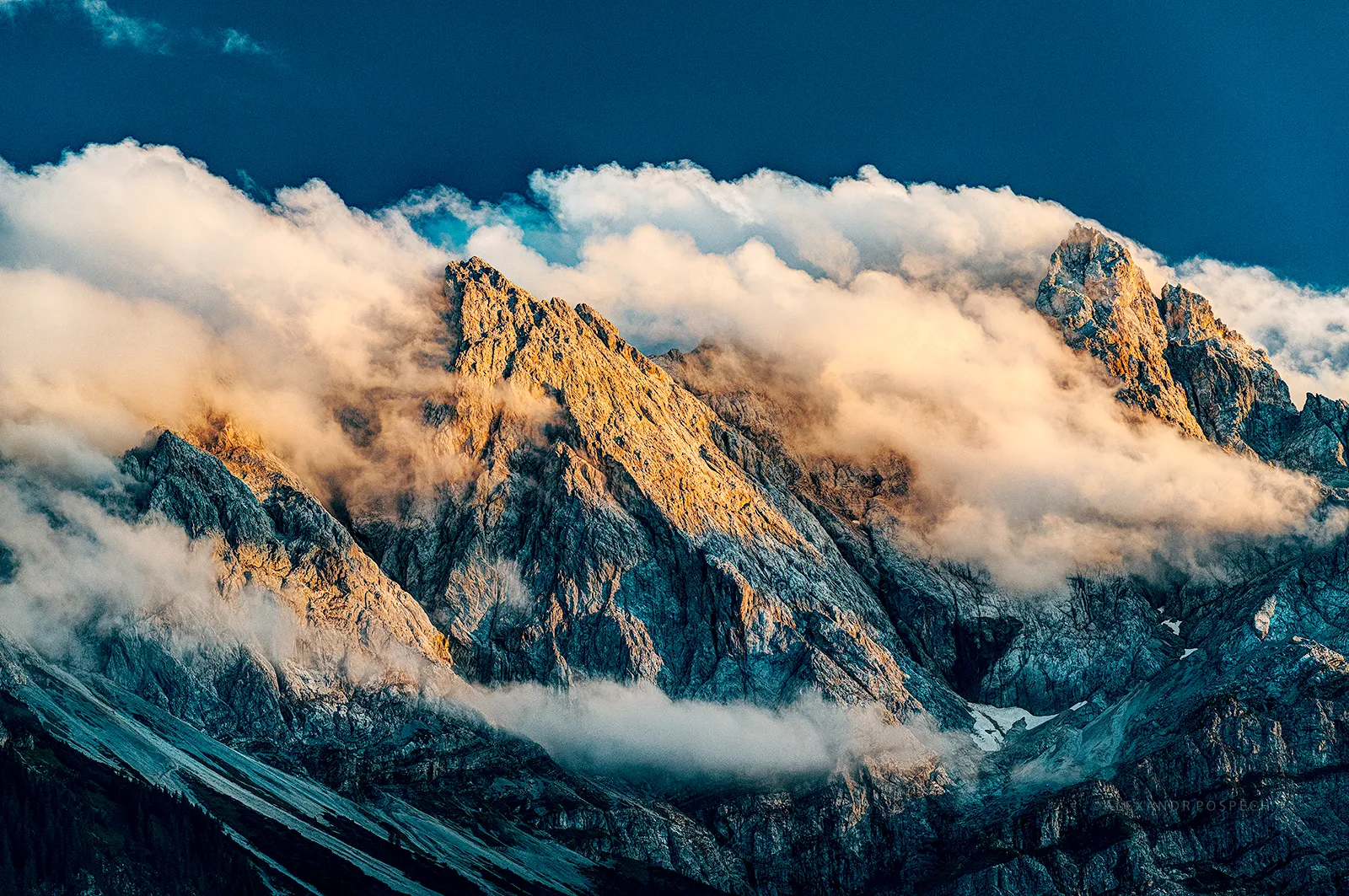
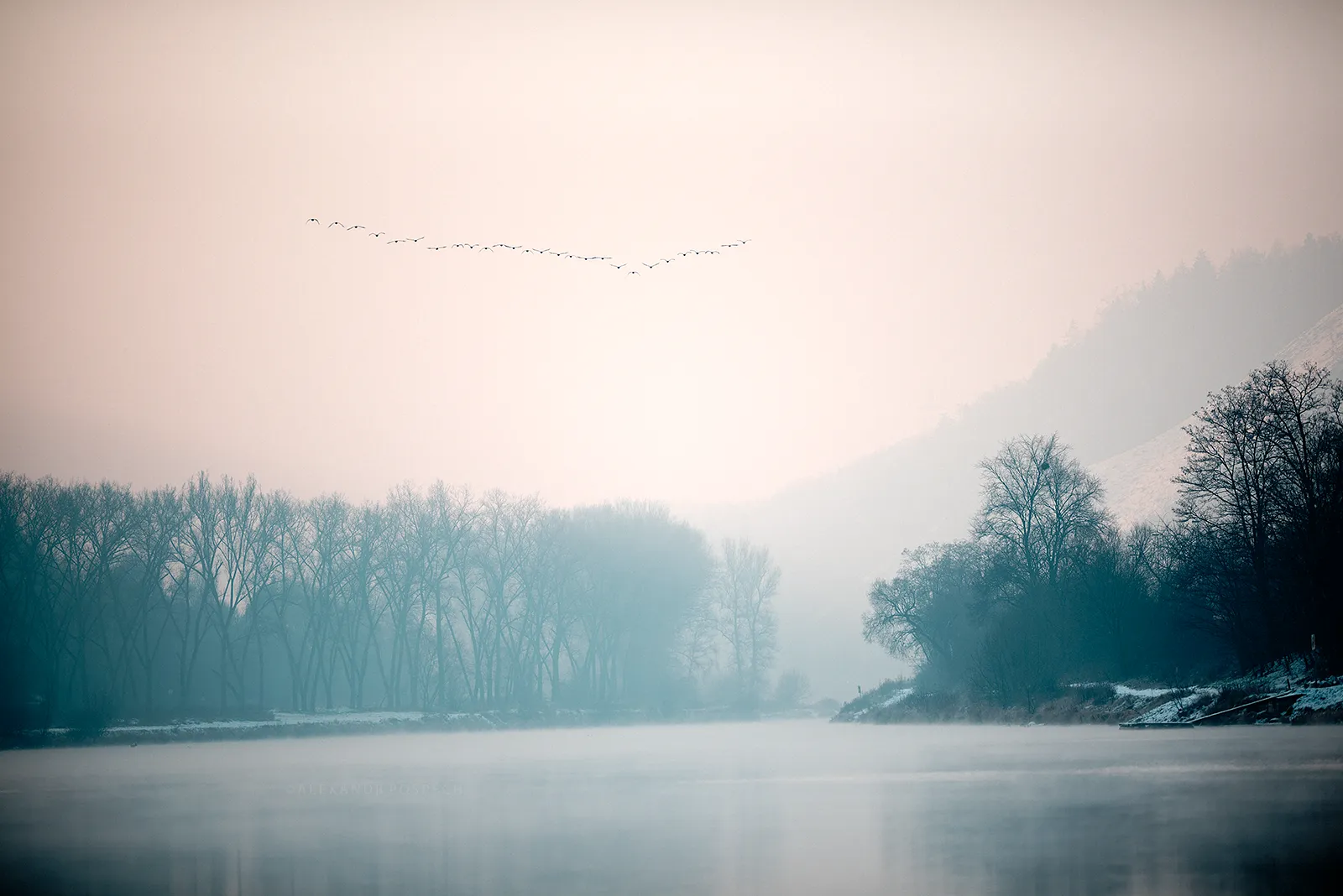
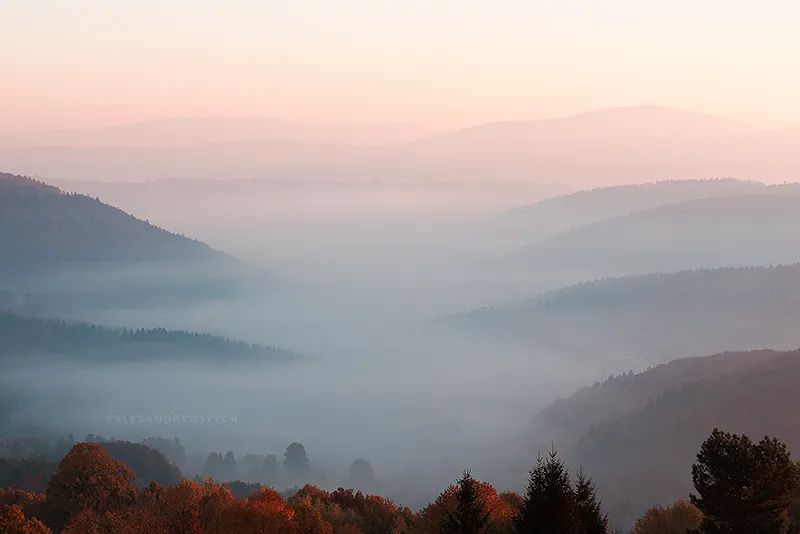
Atmospheric moisture observed through changing visibility, density and the gradual formation or dissipation of mist.
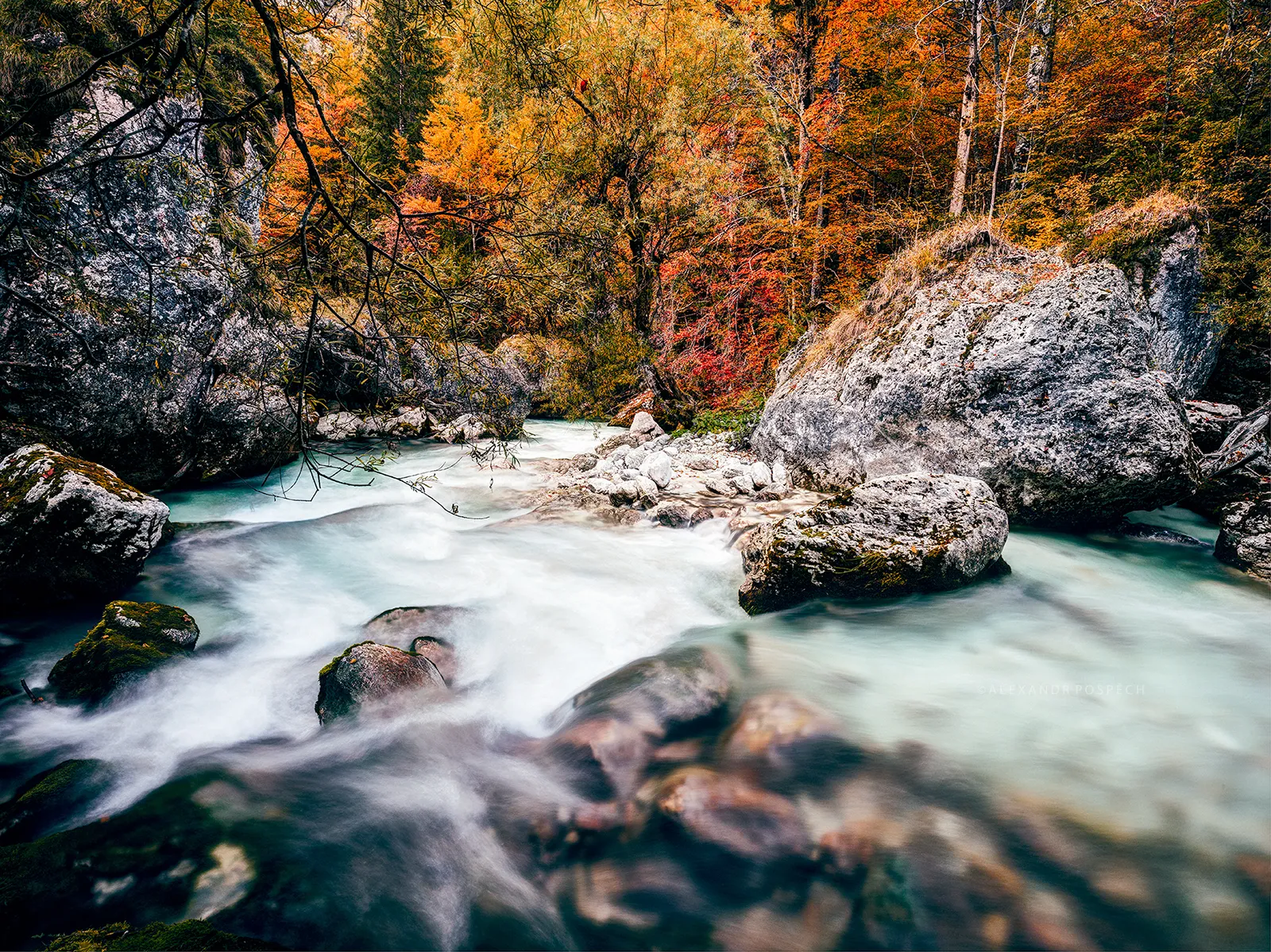
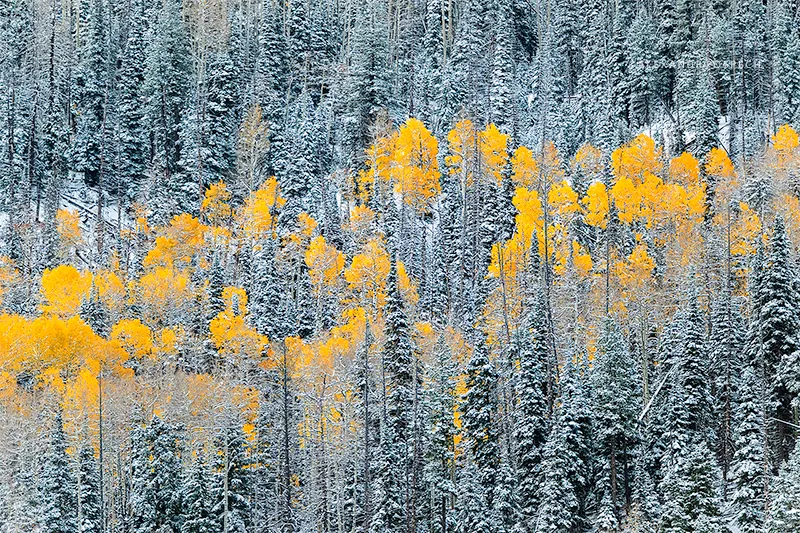
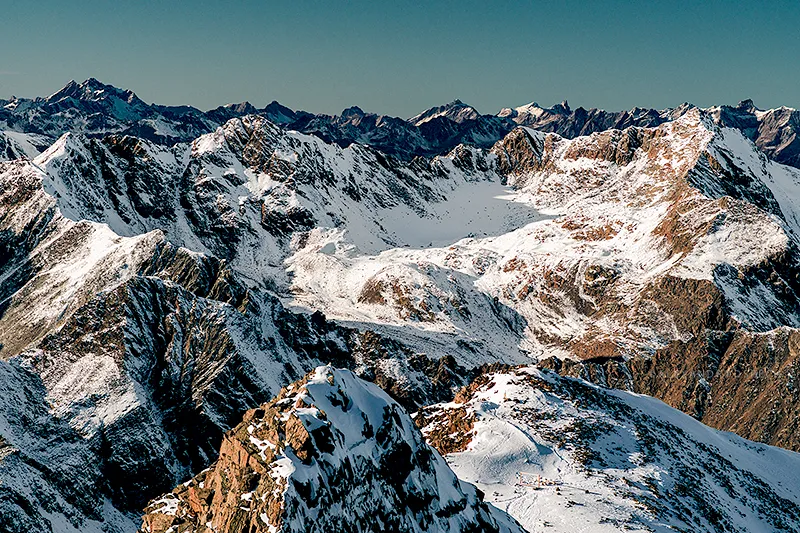
Seasonal Changes
Capturing the changes in the landscape during different seasons.
Light and Astronomical Events
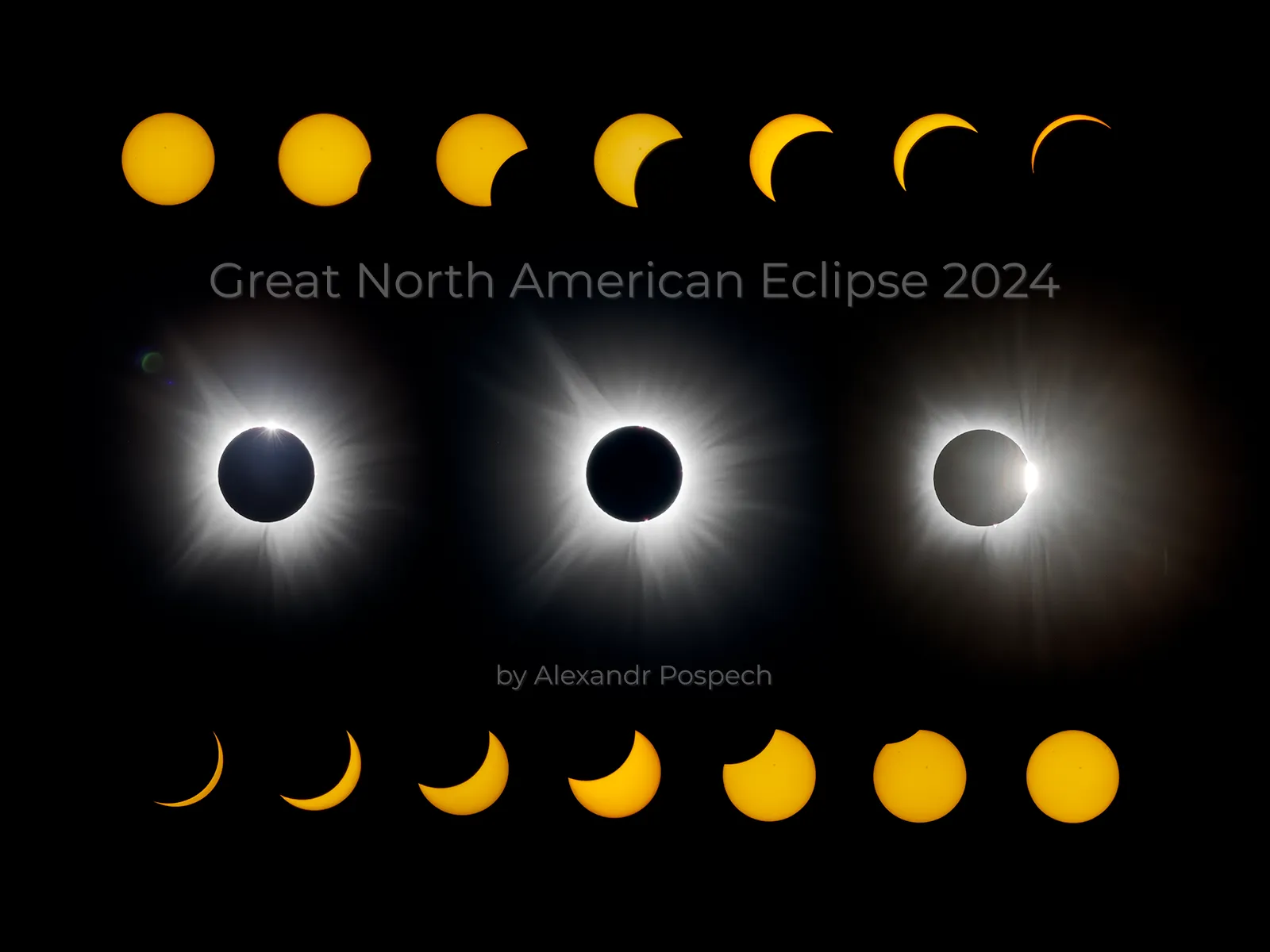
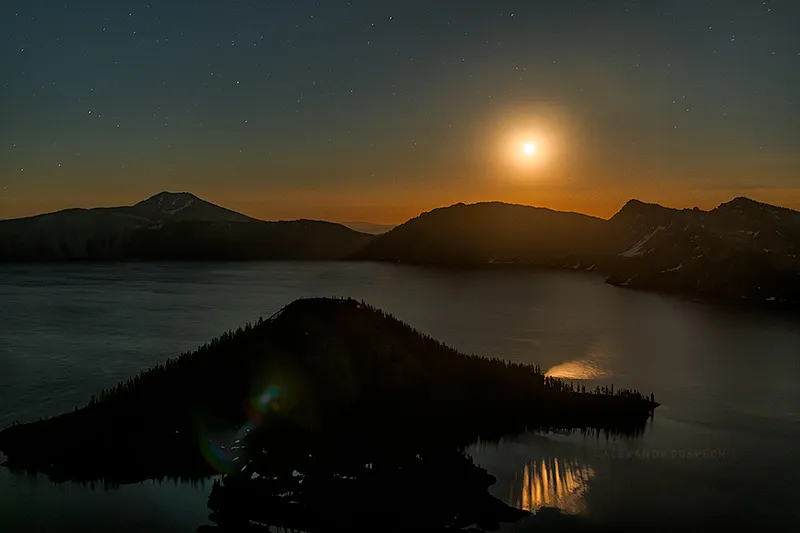
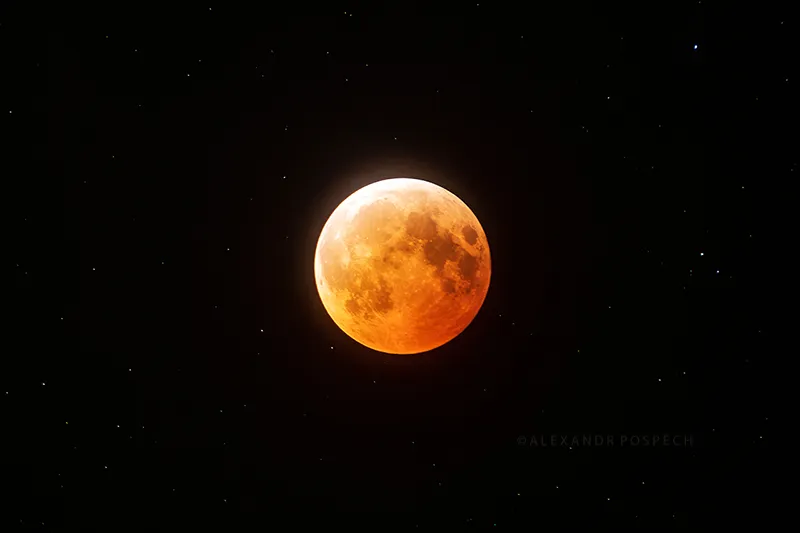
Imaging of the entire astronomical events like solar and lunar eclipses. Acquiring the dataset with high temporal resolution is especially challenging because the light intensity changes rapidly on a scale of 18 stops in the case of a total solar eclipse. In contrast, capturing sharp images of the blood moon (the extremely dim phase of the total eclipse of the moon) requires meticulous balance of multiple technical parameters.